In an ironic twist of history, Christmas day became the end point, the full stop of the Christmas season. But in the ancient Christian tradition, Christmas day was only the beginning of the Christmas season. The oft-sung carol The Twelve Days of Christmas was not simply a song sung, but a lived reality of the Christmas celebration.(1) In the traditional celebrations, the somber anticipation of Advent—waiting for God to act—flowed into the celebration of the Incarnation that began on Christmas day and culminated on “twelfth night”—the Feast of Epiphany.
For twelve days following Christmas, Christians celebrated the “Word made flesh” dwelling among them. The ancient feasts that followed Christmas day all focused on the mystery of the Incarnation worked out in the life of the believers. Martyrs, evangelists, and ordinary people living out the call of faith are all celebrated during these twelve days.
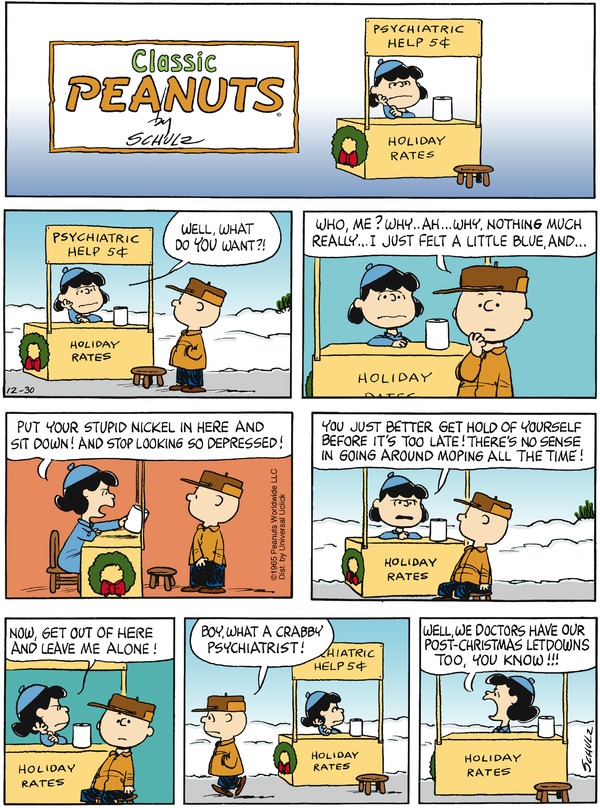
Far from being simply an alternative to the way in which Christmas is currently celebrated or an antidote to post-Christmas ‘let down,’ understanding the early history and traditions of Christian celebrations can reunite the world with the true focal point of the Christmas season. ”The Word was made flesh, and dwelt among us; and we beheld his glory…and of his fullness have we all received, and grace for grace” (John 1:14-16). Far more than giving gifts or holiday feasts, the joy of Christmas is that God came near to us in Jesus Christ. The Incarnation affirms that matter matters as God descends to us and adopts a dwelling made of human flesh. Far from a let down, we have the opportunity to be lifted up and united to God through Jesus Christ.
(adapted from A Slice of Infinity,The Twelve Days of Christmas)
The spirit of Advent ought to linger. Christ will come. And in view of that we ought to 'devote yourselves to prayer, being watchful and thankful' (Colossians 4:2)

No comments:
Post a Comment